
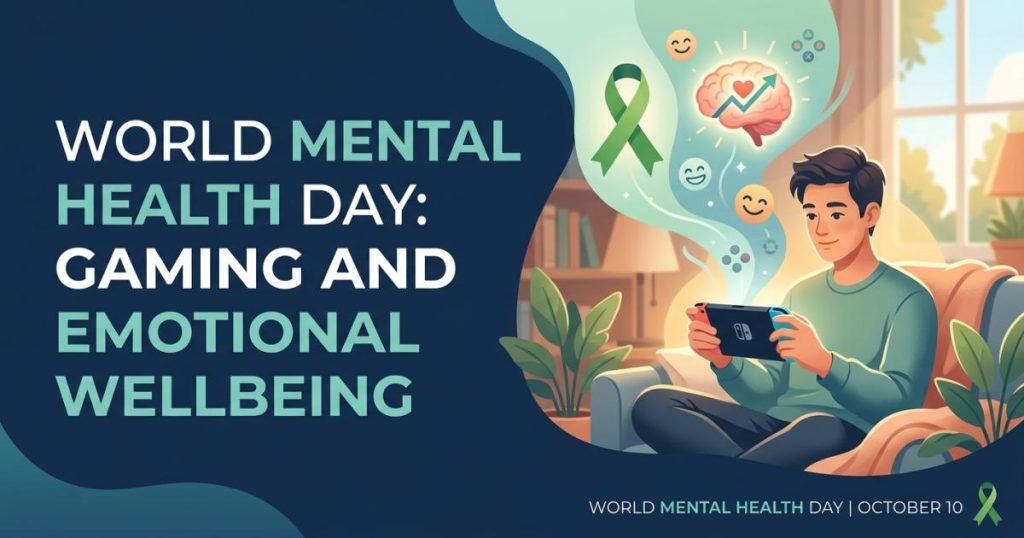
On world mental health day gambling awareness is vital for 21+ players in the Philippines, as FBM Play and PAGCOR remind us that emotional wellbeing matters just like physical health.
What World Mental Health Day Is
Observed every October 10 since 1992, World Mental Health Day was established by the World Federation for Mental Health to create a unified, global focus on emotional and psychological wellbeing. The primary objective of this annual observance is to raise awareness, reduce the stigma surrounding emotional struggles, and encourage open, honest conversations about mental wellbeing globally.
Historically, physical health has received the majority of public attention and medical focus. However, global health organizations now emphasize that emotional health requires the exact same level of care, maintenance, and awareness. This day serves as an annual reminder that taking care of one’s mind is a necessary part of overall wellness. It encourages individuals, communities, and organizations to evaluate their daily habits, stressors, and coping mechanisms. This broad evaluation naturally extends to how people spend their leisure time, including participating in adult entertainment activities like casino gaming.
By bringing these conversations into the mainstream, World Mental Health Day helps dismantle the barriers that prevent people from seeking support. It normalizes the idea that everyone experiences emotional fluctuations and that utilizing resources to maintain balance is a healthy, proactive choice. For adult players engaging with platforms like FBM Play, this observance provides a valuable opportunity to reflect on how gaming fits into a balanced, healthy lifestyle.
Why Gambling and Emotional Health Are Connected
The relationship between leisure activities and emotional health is a subject of ongoing study by psychological professionals. When engaging in casino games, the primary motivation should always be entertainment. However, a connection between gaming and emotional health becomes evident when gambling shifts from a purely recreational activity toward a way of coping with stress, loneliness, or other unfulfilled emotional needs. Recognizing this shift is an important part of self-awareness, and noticing these signs of problem gambling early can help maintain a healthy relationship with the activity.
People often seek out distractions when facing difficult life events, workplace stress, or personal anxiety. While reading a book, watching a movie, or playing a game can provide a temporary mental break, relying heavily on gaming to regulate emotions can establish an unhelpful cycle. If the activity is used to numb sadness or escape anxiety, the original emotional trigger remains unaddressed, and the gaming activity itself may begin to cause additional stress, particularly if it leads to financial strain.
Specific behavioral patterns within gaming also carry significant emotional weight. For example, the act of trying to win back money that was previously lost is rarely just a financial decision. Patterns like chasing losses often carry a heavy emotional component, driven by frustration, pride, or a desperate desire to correct a perceived mistake. This emotional turbulence can quickly turn a lighthearted entertainment session into an exhausting and stressful experience. Understanding that these urges are emotional reactions, rather than logical strategies, is a key component of emotional wellbeing in the context of gaming.
Checking In With Yourself
Maintaining a healthy approach to adult entertainment requires regular self-reflection. Gaming should remain something you actively choose to do for entertainment, utilizing a budget that has been set in advance. It should never feel like a compulsion or a necessity. Taking a few moments to check in with your emotional state before, during, and after a gaming session is a practical way to protect your wellbeing.
Consider implementing a routine self-assessment using the following observations:
- Assess Your Motivation: Ask yourself why you are choosing to play today. Are you looking for fun, or are you trying to distract yourself from an argument, a stressful workday, or feelings of isolation?
- Review Your Budget: Ensure you have established a clear financial limit before logging into FBM Play. This money should be allocated from your entertainment budget, similar to funds used for dining out or attending a concert.
- Monitor Your Emotions During Play: Take note of how you feel while playing. If you experience rising anger, intense frustration, or anxiety when the game does not go your way, it may be time to step away.
- Evaluate Your Post-Game Feelings: After a session ends, observe your mood. A healthy session should leave you feeling entertained, regardless of the financial outcome. Feelings of guilt, regret, or dread are indicators that the activity is impacting your emotional health.
If gaming starts to feel like the only way to manage a difficult emotion, or if it consistently leaves you feeling worse than when you started, that is a pattern worth paying attention to. Acknowledging these feelings without judgment is the first step in making a positive change and realigning your habits with your overall wellbeing.
Tools and Support Available
Recognizing the importance of emotional health means utilizing the guardrails designed to keep gaming safe and enjoyable. Regulated platforms provide various mechanisms to help players maintain control over their time and money. These responsible gambling tools remain available anytime and can be adjusted to fit your personal entertainment budget and lifestyle.
Key tools include:
- Betting Limits: These allow you to cap the amount of money you can wager over a daily, weekly, or monthly period, preventing impulsive decisions during a session.
- Loss Limits: By setting a strict boundary on how much money can be lost within a specific timeframe, you protect your finances and reduce the emotional stress associated with unexpected losses.
- Self-Exclusion: If you recognize that gaming is negatively impacting your emotional wellbeing, you can opt to block your own access to the platform for a predetermined period, allowing time to reset and focus on other aspects of life.
Beyond platform tools, professional, confidential support is readily accessible for players in the Philippines. The National Problem Gambling Helpline (NPGH) is available 24/7 at (02) 8248-9568. Trained representatives can provide guidance, resources, and a listening ear. Additionally, for those seeking structured, professional assistance, PAGCOR’s accredited treatment centers offer specialized support tailored to individuals navigating the emotional and behavioral challenges associated with gaming.
A Note for Family Members
The connection between gaming habits and emotional wellbeing does not only affect the individual playing; it extends to their loved ones as well. Spouses, children, parents, and close friends often observe changes in behavior, mood, or financial stability before the player recognizes these shifts themselves. Navigating this situation can be emotionally taxing for the family.
If you are concerned about a loved one’s gaming habits, it is important to approach the topic with care, empathy, and a focus on their emotional health rather than placing blame. Open dialogue is crucial. Furthermore, it is essential to know that support resources exist for family members too, not just the person gambling. Counseling, support groups, and educational materials are available to help families understand the complexities of behavioral patterns, establish healthy boundaries, and protect their own emotional wellbeing while supporting their loved one.
FAQ
What is World Mental Health Day?
World Mental Health Day is a global observance held every October 10 to raise awareness about emotional and psychological wellbeing. Established in 1992, it aims to reduce stigma and encourage open conversations about mental health on a global scale.
How are gambling habits connected to emotional wellbeing?
Gambling habits intersect with emotional health when gaming shifts from a fun entertainment activity to a primary method for coping with stress, anxiety, or loneliness. Emotional patterns, such as the frustration that drives chasing losses, can negatively impact a person’s overall psychological balance.
What tools can help if gaming starts to feel less like entertainment?
Players can utilize responsible gaming features like betting limits, loss limits, and self-exclusion to maintain control over their habits. These tools act as practical guardrails to ensure gaming remains a budgeted, recreational choice.
Where can I get support for gambling-related concerns?
Support is available 24/7 through the National Problem Gambling Helpline (NPGH) at (02) 8248-9568. Additionally, players and their families can access professional guidance through PAGCOR’s accredited treatment centers across the Philippines.
FBM Play encourages all users to prioritize their emotional wellbeing and play responsibly. Gaming is an entertainment activity strictly for adults aged 21 and older in the Philippines. If you or someone you know needs assistance, please contact the PAGCOR-supported National Problem Gambling Helpline at (02) 8248-9568.